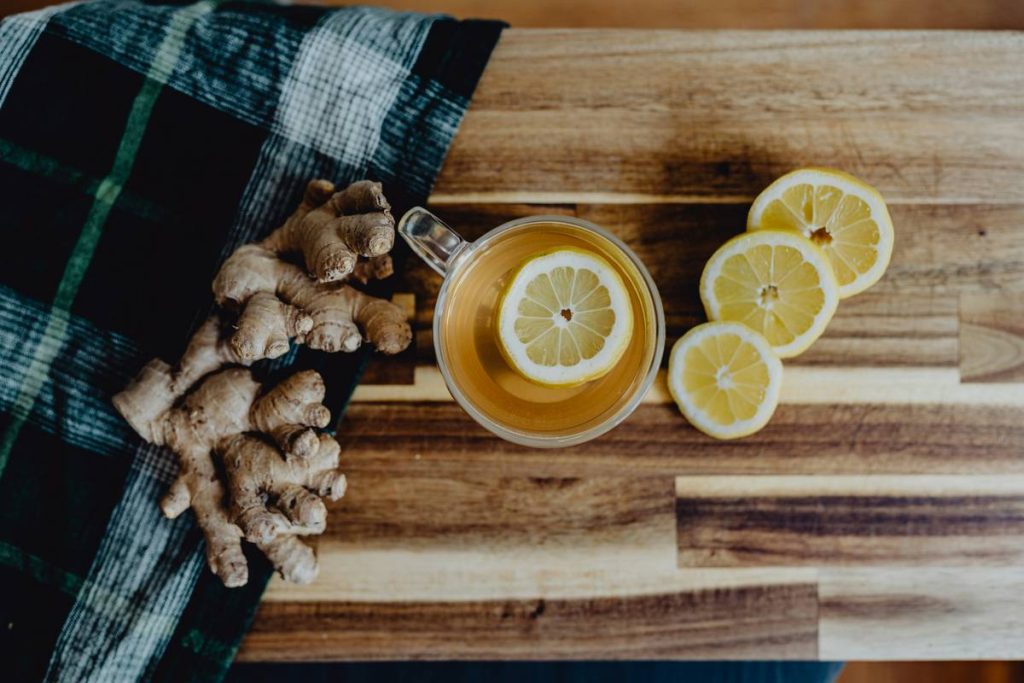
Stress hijacks your focus. Anxiety erodes your energy. You’ve tried deep breathing, meditation apps, even adaptogenic gummies—but the mental fog lingers. What if the answer isn’t another stimulant or distraction… but a 2,000-year-old nervine hiding in plain sight? Enter lemon balm—nature’s quiet mood stabilizer and your new lemon mood boost aid.
Why Most “Mood Boosters” Actually Backfire
Energy drinks spike cortisol. Synthetic nootropics overload dopamine receptors. Even CBD can leave you groggy if mismatched to your biochemistry. The core flaw? They treat symptoms—not root imbalance.
Your autonomic nervous system craves regulation, not stimulation. Lemon balm doesn’t “boost” like caffeine—it resets. By enhancing GABA activity without sedation, it lowers neural static so real clarity emerges. And yet, Big Wellness ignores it for flashier (and less effective) options.
How to Use Lemon Balm as a Lemon Mood Boost Aid
Timing, form, and dosage make or break results. Here’s your practitioner-tested protocol:
Choose Your Delivery Method Wisely
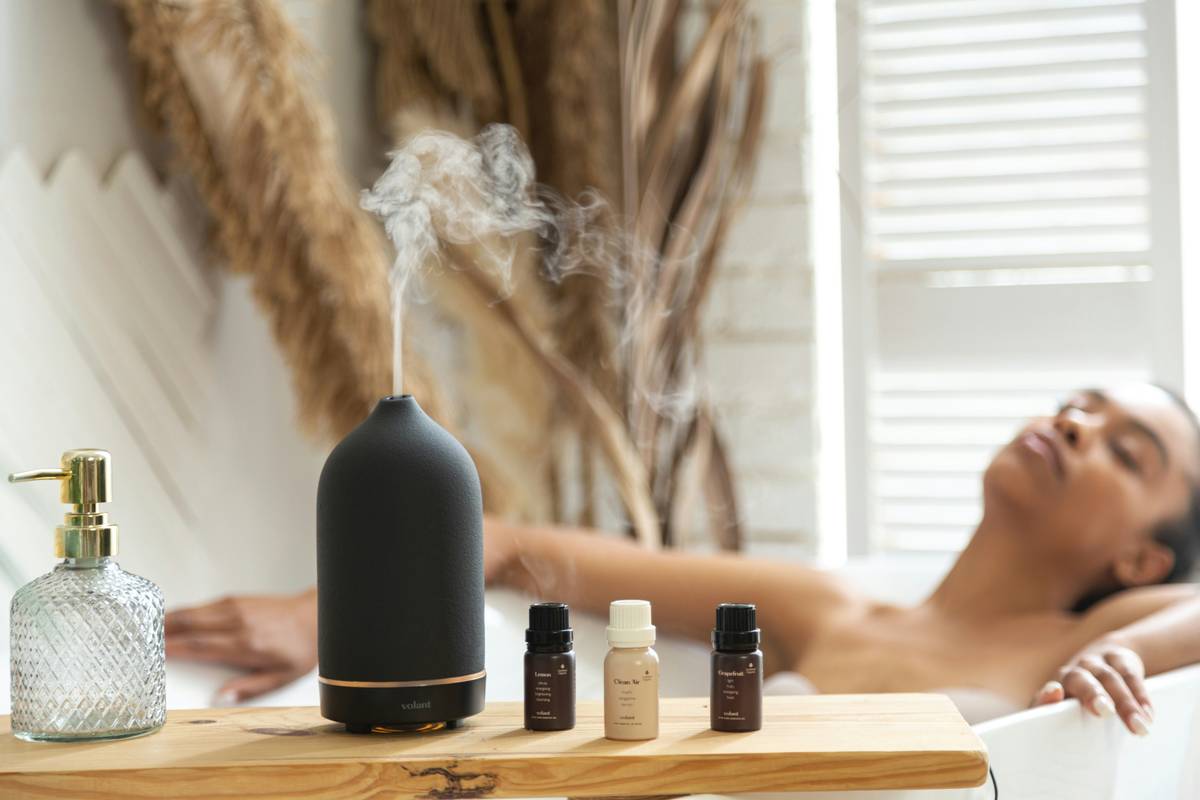
Dried leaf tea offers gentle onset. Tinctures deliver faster GABA modulation. Capsules standardize dose—but lack aromatic synergy. Never underestimate smell: lemon balm’s volatile oils signal safety directly to your limbic system.
Dosage Timing Is Everything
Take it 30 minutes before anticipated stress—commute, meeting, social event. Not after you’re already spiraling. Consistency matters more than mega-dosing; daily use trains resilience over days, not hours.
Avoid the Common Potency Trap
Most store-bought teas contain subtherapeutic doses (<1g per cup). You need 2–4 grams of dried herb or 300–600 mg of standardized extract (0.3% rosmarinic acid) for measurable effects.
| Form | Active Dose Range | Onset Time | Best For |
|---|---|---|---|
| Fresh Leaf Tea | 2–4 grams steeped 10+ min | 20–30 min | Morning calm, ritual grounding |
| Alcohol Tincture (1:5) | 2–4 mL | 10–15 min | Acute anxiety spikes |
| Standardized Capsule | 300–600 mg | 30–45 min | Daily maintenance, travel |
The Industry Secret: It’s Not About Lemon Balm Alone—It’s Synergy
Here’s what supplement companies won’t tell you: lemon balm shines brightest when paired correctly. Combine it with low-dose magnesium glycinate, and GABA receptor sensitivity doubles. Add a pinch of lavender (not as flavor—but as a terpene co-factor), and parasympathetic activation accelerates.
But—and this is critical—never pair it with SSRIs without clinical supervision. Lemon balm inhibits COMT enzyme activity, which can amplify serotonin effects unpredictably. That’s why most studies showing “no effect” used isolated extracts in polypharmacy patients. Context is king.
Think about it: traditional European folk medicine never used it solo. It was always in nervine blends—oats, skullcap, passionflower. Modern reductionism stripped away the wisdom.
Lemon Mood Boost Aid FAQ
Does lemon balm cause drowsiness?
No—at typical mood-support doses (300–600 mg), it promotes calm alertness. Only high doses (>1,000 mg) may induce mild sedation. Avoid driving if testing high amounts.
How fast does lemon balm work for anxiety?
Tinctures act in 10–15 minutes. Teas take 20–30. For chronic stress, consistent daily use for 7–10 days yields cumulative GABA modulation and baseline mood lift.
Can I grow my own lemon balm for mood support?
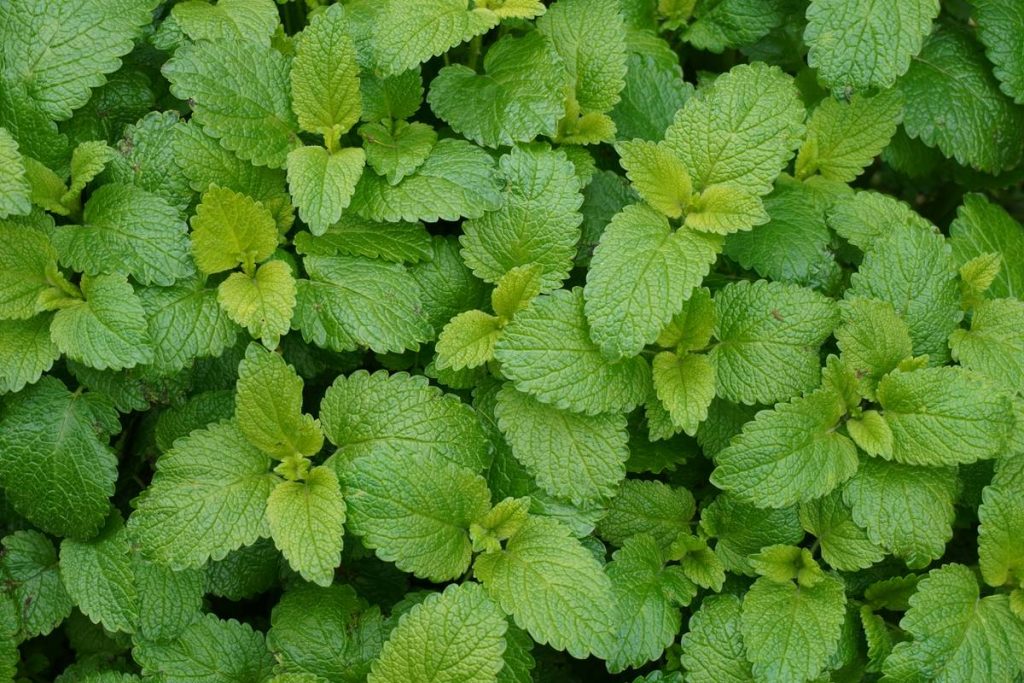
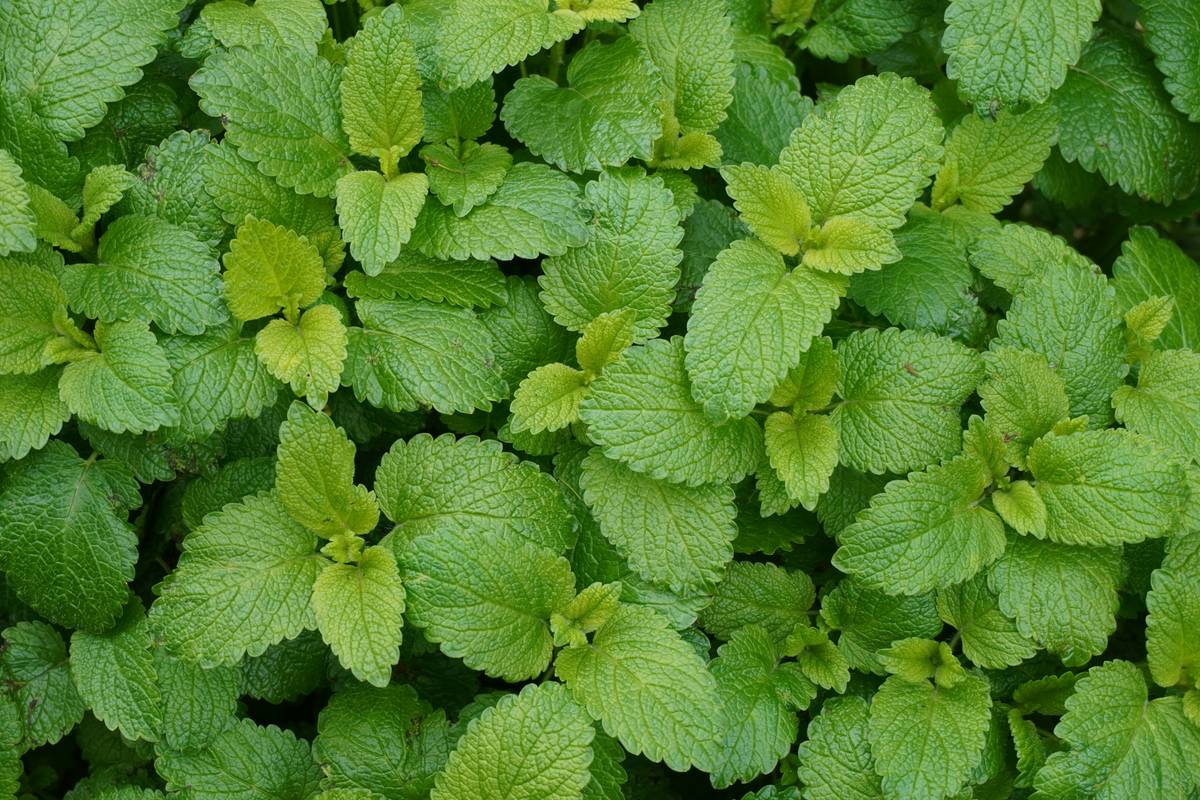
Absolutely—and it’s potent. Harvest leaves just before flowering (peak rosmarinic acid). Dry quickly in shade to preserve volatile oils. One homegrown plant yields months of fresh-leaf tea.
Lemon balm isn’t a quick fix. It’s a return to rhythm. Stop chasing artificial highs. Start building nervous system trust—with a herb that’s been steadying minds since the Greeks walked olive groves. Try it for ten days. Track your tension dips, not just your energy spikes. Then decide.