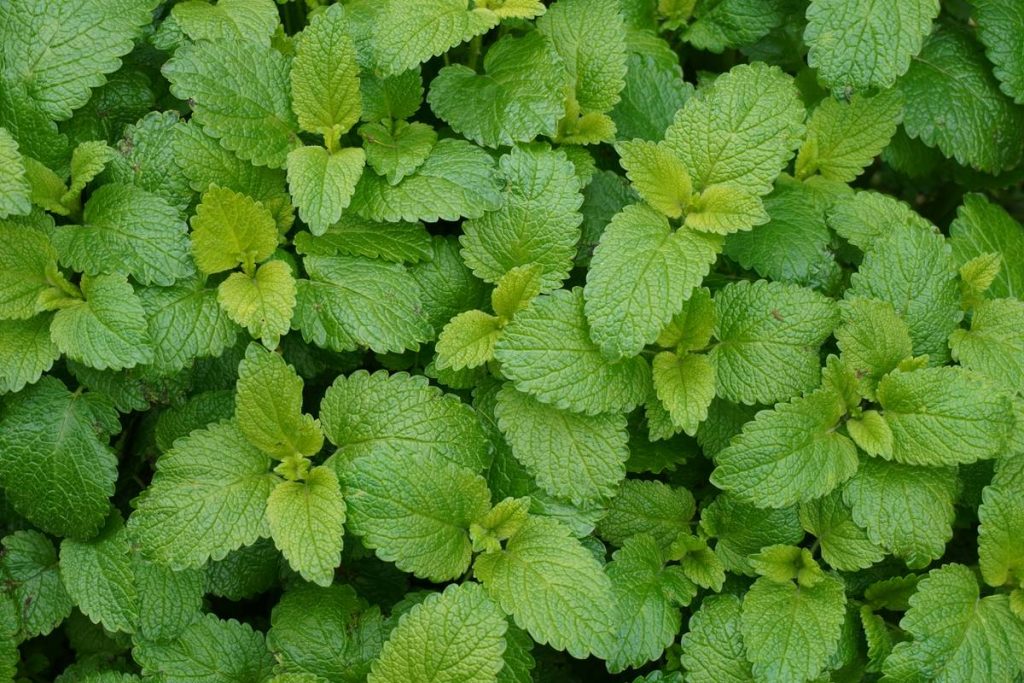
You wake up heavy. Not physically—though that might be there too—but emotionally dense, like your thoughts are wading through wet sand. Coffee jolts you, but leaves you wired and hollow. Antidepressants? Maybe helpful, but with side effects that sometimes feel worse than the fog itself. Enter lemon balm uplift aid—not a miracle pill, but a subtle, ancient ally your nervous system actually recognizes.
Why Most Mood Boosters Miss the Mark
Modern “natural” mood solutions often chase dopamine spikes—adaptogens, nootropics, even certain essential oils—all promising instant euphoria. But real emotional resilience isn’t about highs. It’s about baseline stability. And that’s where lemon balm uplift aid diverges.
Unlike stimulants that exhaust your adrenals or SSRIs that blunt all feeling, lemon balm (Melissa officinalis) works on GABA receptors—calming without sedating. Yet most people toss it into sleepy-time teas and miss its true power: gentle neuro-modulation that lifts without crashing.
How to Use Lemon Balm Uplift Aid for Real Emotional Shifts
It’s not just “drink more tea.” Precision matters. Dosage, timing, and form dictate whether you feel subtly clearer—or nothing at all.
Fresh vs. Dried: Potency Isn’t What You Think
Fresh lemon balm leaves contain volatile oils that degrade fast. Dried, properly stored herb? Often more consistent. But here’s the kicker: alcohol extracts preserve rosmarinic acid—the compound most tied to mood elevation.
Timing Is Everything
Take it mid-morning, not at night. Yes, it’s calming—but taken during circadian dips (around 10–11 AM), it counters mental fog without triggering drowsiness. Night use leans more toward sleep support than mood lift.
Dosage Sweet Spot
Too little? No effect. Too much? Mild lethargy. The research-backed range for mood benefit: 300–600 mg of standardized extract once daily. Tinctures? 2–4 mL. Teas? At least 2 grams steeped 10+ minutes.
| Form | Active Compound Bioavailability | Onset Time | Best For |
|---|---|---|---|
| Standardized Extract (Capsule) | High (rosmarinic acid ≥5%) | 45–60 mins | Predictable daily mood support |
| Alcohol Tincture | Very High (fast absorption) | 20–30 mins | Acute stress or mental fog moments |
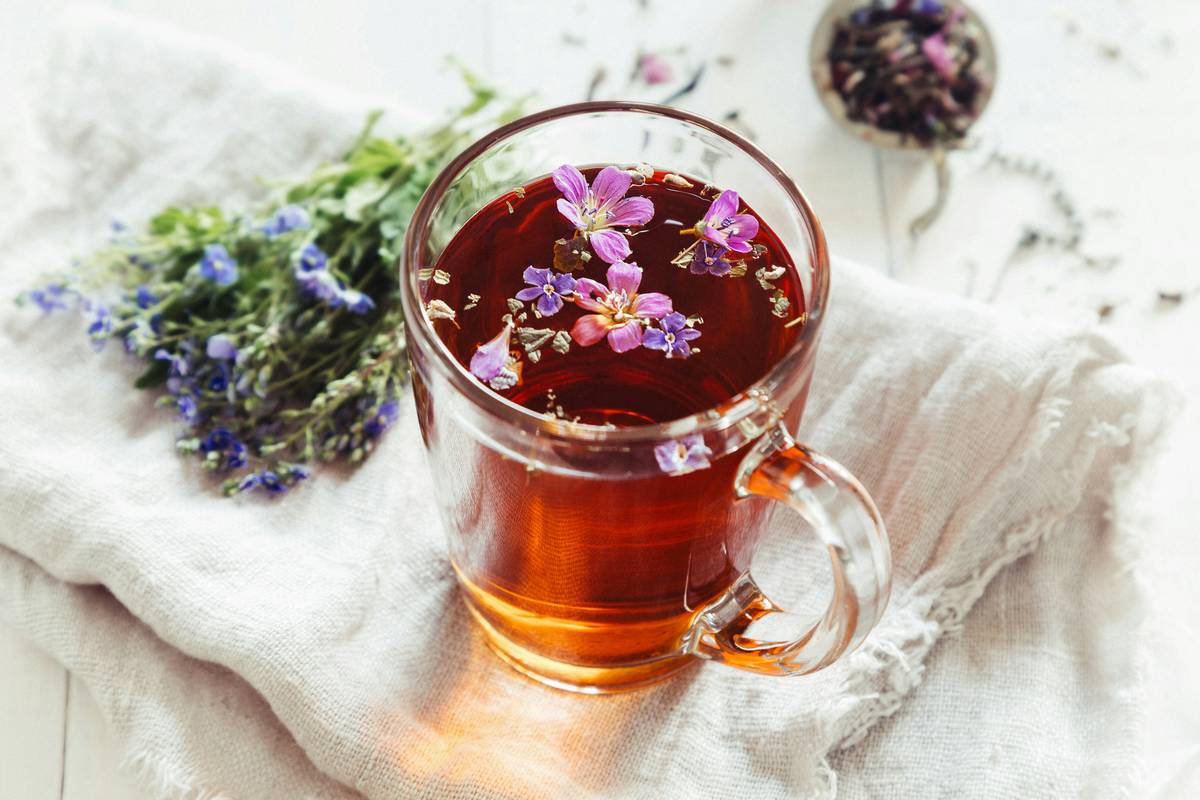
| Dried Leaf Tea | Moderate (varies by steep time) | 30–45 mins | Gentle ritual + mild uplift |
| Essential Oil (Inhalation) | Low systemic, high olfactory | Under 5 mins | Instant but short-lived calm |

The Industry Secret: Lemon Balm Works Best Paired—But Not With What You Think
Here’s what supplement companies won’t tell you: lemon balm uplift aid shines brightest when paired with magnesium glycinate—not ashwagandha, not rhodiola. Why? Magnesium deficiency is rampant in chronically stressed individuals, and it potentiates GABA activity. Together, they create a synergistic buffer against cortisol spikes.
And avoid pairing it with high-dose L-theanine. Counterintuitive? Yes. But both target GABA—stacking them can overshoot, leaving you flat instead of lifted. Less is more.
FAQ: Lemon Balm Uplift Aid Questions Answered
Can lemon balm uplift aid replace antidepressants?
No. It’s a supportive botanical, not a pharmaceutical substitute. Always consult your healthcare provider before adjusting medication.
How fast does lemon balm uplift aid work?
Acute effects (calm clarity) may appear within 30 minutes via tincture. For sustained mood shifts, consistent use over 2–3 weeks is typical.
Is lemon balm safe for long-term use?
Yes. Clinical studies show safety for months-long use at standard doses. Cycle occasionally if using daily—take one week off per month.