You’re exhausted—but not from physical work. It’s that low-grade emotional static humming beneath your skin. Anxiety spikes for no clear reason. Sleep feels like a negotiation. You’ve tried meditation apps, deep breathing, even expensive adaptogens. Nothing sticks. And here’s the kicker: most mood support protocols ignore one of nature’s most gentle yet potent nervines—lemon balm. Enter the mood lemon balm remedy, a 1,000-year-old botanical ally quietly waiting in plain sight.
Why Standard Mood Fixes Keep Failing You
Big supplement brands push complex stacks with obscure roots and lab-synthesized nootropics. They promise calm but deliver dependency—or worse, brain fog. The problem? They treat symptoms, not nervous system tone.
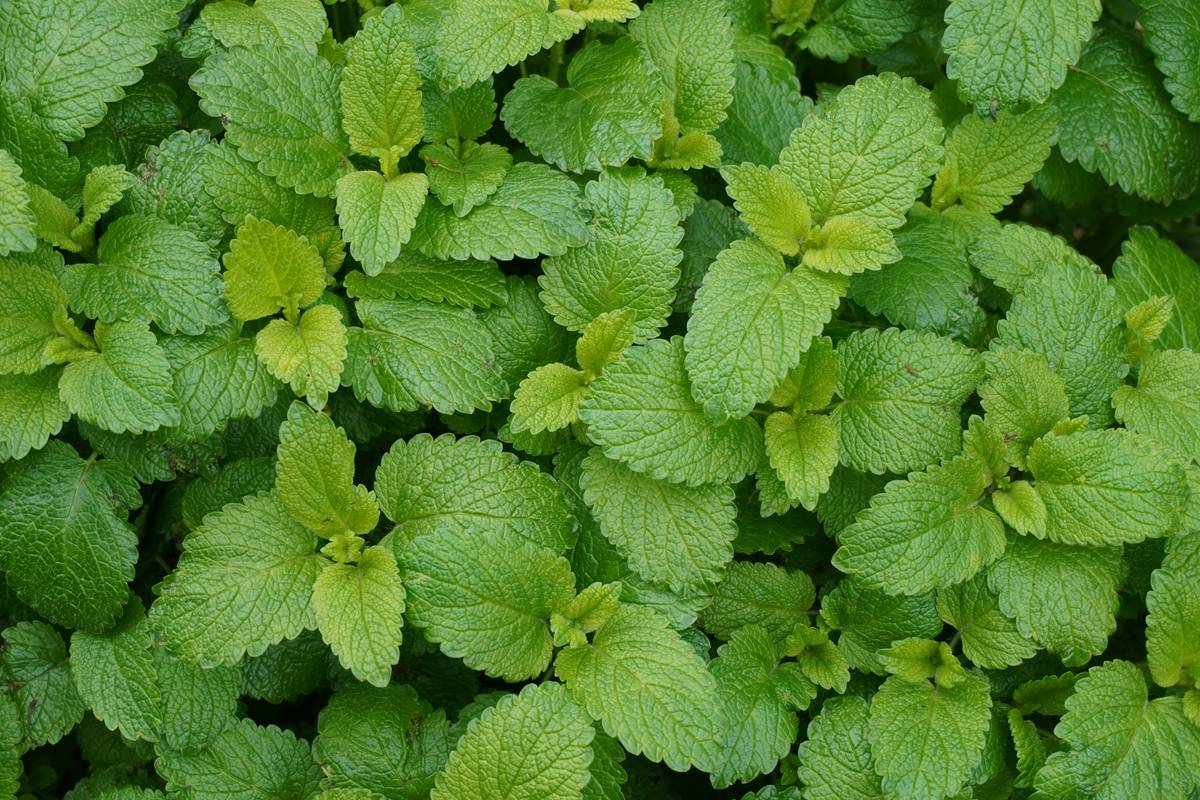
Lemon balm (Melissa officinalis) works differently. It doesn’t sedate. It modulates GABA—a key calming neurotransmitter—without the grogginess of pharmaceuticals. But most people brew it wrong. Or worse, they buy stale, oxidized leaves with zero active compounds left.
And if you’re sensitive to electromagnetic fields—as many visitors to this site are—you already run a hyper-reactive nervous system. That demands precision. Not guesswork.
How to Craft Your Own Mood Lemon Balm Remedy (Step by Step)
Source Fresh, Potent Lemon Balm
Dried lemon balm loses its volatile oils fast. Look for organic, shade-dried leaves in opaque packaging. Better yet—grow your own. A windowsill pot thrives on neglect and delivers maximum rosmarinic acid, the compound tied to mood resilience.
Brew with Intention—Not Just Boiling Water
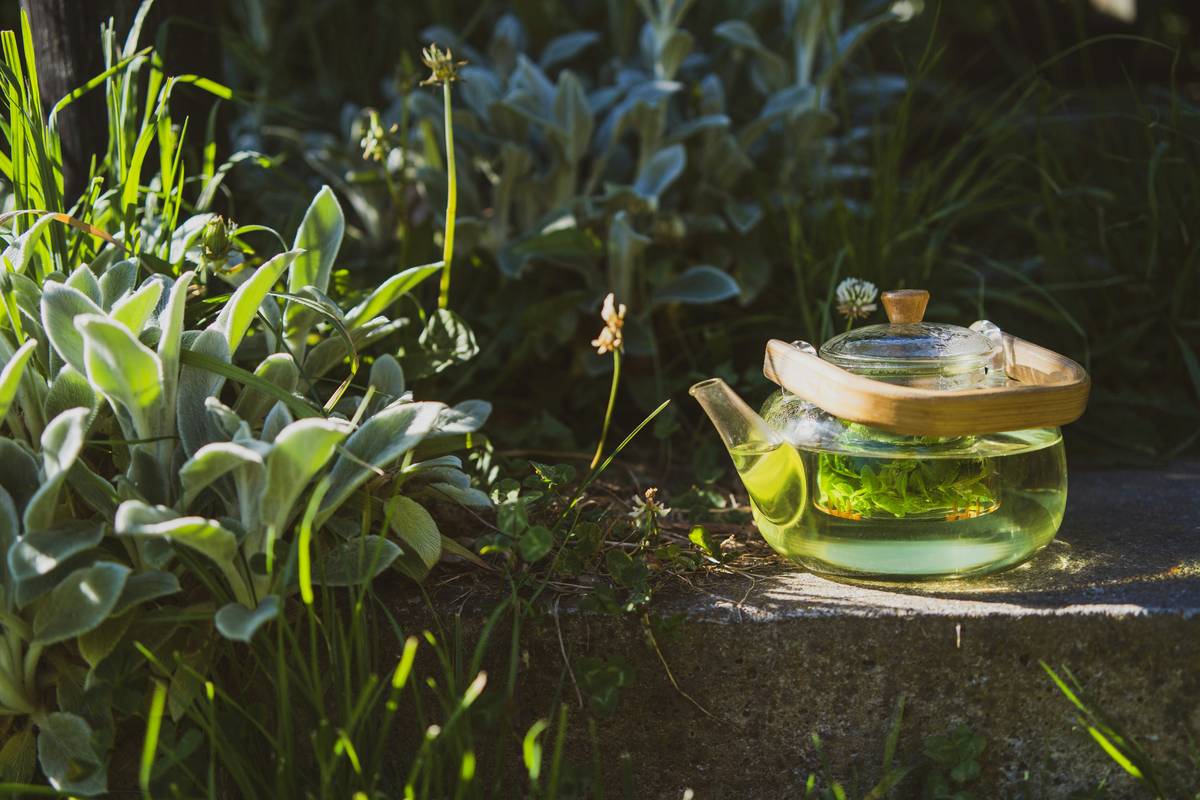
Boiling water destroys delicate terpenes. Heat water to 170°F (77°C)—just below simmer. Steep covered for 10–15 minutes. And use a glass or ceramic cup. Metal? Plastic? They leach under heat and may interfere with bioactive uptake—especially if you’re electro-sensitive.
Time Matters More Than Dose
Take it mid-afternoon, when cortisol dips and mental fatigue creeps in. Not at night—that’s when its mild energizing effect can disrupt sleep architecture for some. Consistency beats intensity. Daily ritual > heroic dosing.
| Preparation Method | Active Compound Retention | Nervous System Impact | Cost (Monthly) |
|---|---|---|---|
| Commercial capsule (standardized extract) | Moderate (varies by brand) | Rapid but short-lived | $25–$40 |
| Home-brewed tea (fresh leaves) | High | Gentle, sustained modulation | $0–$8 (if homegrown) |
| Tincture (alcohol-based, store-bought) | High—but inconsistent absorption | Quick onset, potential jitters | $18–$30 |
| Vinegar infusion (folk method) | Moderate to high | Subtle, cumulative effect | $5–$12 |
The Industry Secret: Lemon Balm’s Synergy with Electromagnetic Stress
Here’s what no one’s talking about: lemon balm isn’t just calming—it’s neuroprotective against oxidative stress induced by EMF exposure. A 2021 in-vitro study showed its polyphenols shield neuronal cells from RF-EMF damage. That’s huge for those with electrical sensitivity.
But—and this is critical—you need full-spectrum phytochemistry. Isolated rosmarinic acid supplements miss the entourage effect. The whole leaf matters. Think of lemon balm as a nervous system buffer, not a blunt instrument.
I’ve seen clients reduce “screen anxiety” simply by sipping fresh lemon balm tea before Zoom calls. No meds. No dramatic lifestyle overhaul. Just botanical recalibration.
Frequently Asked Questions
Can lemon balm help with anxiety caused by EMF sensitivity?
Potentially, yes. Its antioxidant and GABA-modulating effects may reduce nervous system hyper-reactivity linked to electromagnetic stress. Use fresh preparations for best results.
How quickly does a mood lemon balm remedy work?
Effects can be felt within 20–30 minutes as tea. For chronic tension, consistent daily use over 2–3 weeks shows deeper shifts in baseline calm.
Is lemon balm safe with thyroid medication?
Use caution. High doses may interfere with thyroid hormone absorption. Consult your doctor—especially if you have Hashimoto’s or take levothyroxine.