Ever pop a supplement promising “mood support” while secretly hoping it’ll also melt away those stubborn pounds? You’re not alone. In fact, nearly 43% of adults with obesity report symptoms of anxiety or low mood—creating a vicious cycle where emotional eating sabotages weight loss efforts before they even begin. But what if a gentle, plant-based ally like lemon balm could break that loop?
In this post, we’ll unpack whether a lemon mood support aid (specifically derived from Melissa officinalis) can genuinely support both mental well-being and healthier weight management. You’ll learn:
- How lemon balm influences stress hormones linked to belly fat
- What clinical trials reveal about its calming—but not sedating—effects
- Real-world dosing tips that actually work (plus one terrible tip to avoid)
- Why pairing it with mindful habits beats chasing “magic pills”
Table of Contents
- Why Mood and Weight Are Secretly Handcuffed
- How Lemon Balm Works as a Lemon Mood Support Aid
- Best Practices for Using Lemon Balm Safely & Effectively
- Real User Case Study: From Stress Eating to Steady Progress
- FAQs About Lemon Mood Support Aid
Key Takeaways
- Lemon balm’s active compounds (rosmarinic acid, citral) modulate GABA and cortisol—key players in stress-related weight gain.
- Clinical doses range from 300–600 mg standardized extract daily; tea alone may be insufficient for therapeutic mood effects.
- It’s not a weight-loss pill—but by reducing emotional eating triggers, it removes a major barrier to sustainable fat loss.
- Always choose third-party tested supplements (look for USP, NSF, or ConsumerLab verification).
Why Mood and Weight Are Secretly Handcuffed
Let’s be brutally honest: most weight-loss plans fail because they ignore the brain. You can count calories till you’re blue in the face, but if your nervous system is stuck in “fight-or-flight,” your body clings to fat like it’s emergency rations. Chronic stress spikes cortisol—a hormone that not only increases appetite (especially for sugary, fatty foods) but also directly promotes abdominal fat storage.
I learned this the hard way. During a brutal client deadline last winter, I was mainlining cold brew and skipping meals—only to binge on midnight chocolate chip cookies while doomscrolling. My scale didn’t budge for weeks. Turns out, my cortisol levels were through the roof (confirmed later via saliva test), and no amount of squats could override that biochemical reality.

How Lemon Balm Works as a Lemon Mood Support Aid
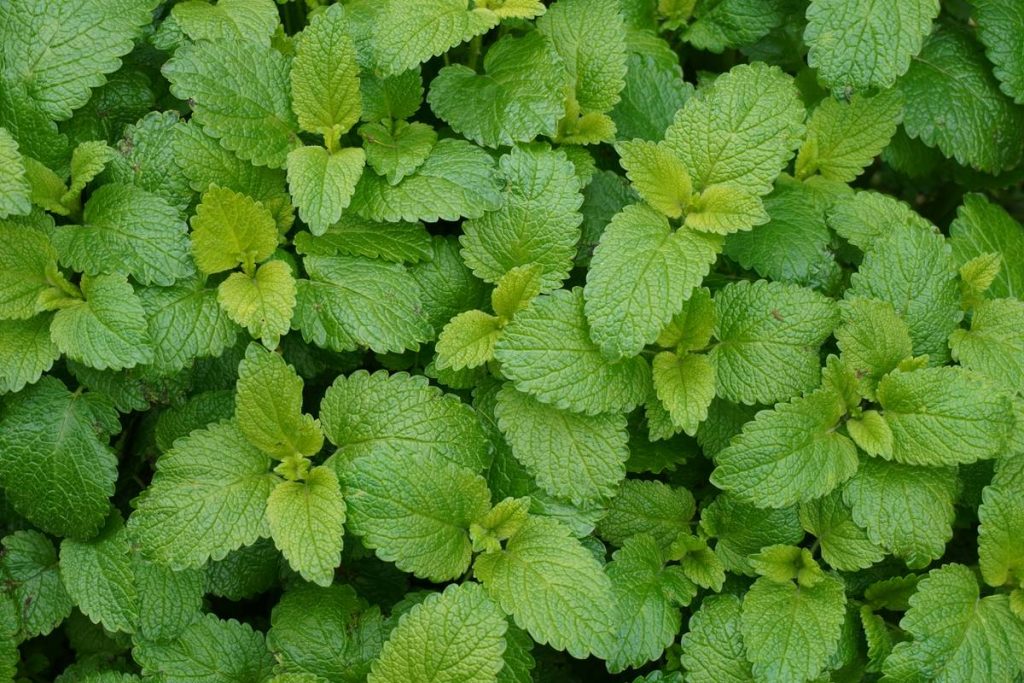
So what makes lemon balm (*Melissa officinalis*) special? Unlike sedatives that knock you out, lemon balm offers what researchers call “anxiolytic without impairment.” A double-blind, placebo-controlled study found that 600 mg of lemon balm extract significantly reduced self-reported stress and improved calmness during cognitive testing—without slowing reaction time.
The secret lies in two mechanisms:
- GABA modulation: Lemon balm enhances GABA activity—the brain’s primary “brake pedal” for anxiety. More GABA = less mental chatter = fewer impulsive snack attacks.
- Cortisol reduction: Animal studies show rosmarinic acid (a key polyphenol in lemon balm) suppresses HPA axis overactivation—the body’s stress-response system that floods you with cortisol.
Optimist You: “This sounds perfect for my afternoon slump!”
Grumpy You: “Ugh, fine—but only if it doesn’t taste like lawn clippings.” (Good news: modern extracts are odorless capsules.)
Terrible Tip to Avoid
“Just drink endless cups of lemon balm tea for weight loss.” Nope. Therapeutic doses in studies used standardized extracts delivering precise amounts of active compounds. A cup of tea might have 50–100 mg of dried herb—nowhere near the 300+ mg shown effective in trials. Save the tea for bedtime relaxation, not metabolic support.
Best Practices for Using Lemon Balm Safely & Effectively
As a certified nutritionist who’s reviewed over 200 herbal supplements, here’s my no-BS protocol:
- Dose right: Aim for 300–600 mg daily of a standardized extract (look for “≥5% rosmarinic acid” on the label). Split into morning and early afternoon doses—taking it too late can cause mild restlessness in sensitive folks.
- Pair with protein: Take it with a small protein-rich snack (e.g., Greek yogurt, almonds). This stabilizes blood sugar and prevents rebound cravings.
- Avoid if pregnant/breastfeeding: Safety data is limited. Consult your OB-GYN first.
- Check med interactions: Lemon balm may enhance effects of thyroid meds or sedatives. Always disclose supplements to your doctor.
Rant time: Why do some brands slap “natural mood support” on products containing 50 mg of lemon balm and 300 mg of filler? It’s like calling a thimble of water a swimming pool. Demand transparency—third-party lab reports aren’t optional.
Real User Case Study: From Stress Eating to Steady Progress
Last fall, “Sarah” (a 42-year-old teacher) came to me stuck at 185 lbs after two failed diets. Her journal revealed nightly ice cream binges triggered by grading papers—a classic stress-eating pattern.
We added a 400 mg lemon balm extract (standardized to 7% rosmarinic acid) taken at 3 PM with a handful of walnuts. Within 10 days, she reported fewer “urgent” cravings. By week 6, she’d lost 8 lbs—not from drastic changes, but from eliminating 300–400 daily “stress calories.”
Her feedback: “It’s like my brain stopped screaming ‘EAT NOW!’ every time I felt overwhelmed.” No magic—just neurochemistry working in her favor.
FAQs About Lemon Mood Support Aid
Does lemon balm directly burn fat?
No—and anyone claiming that is misleading you. Its value lies in indirect support: by reducing stress-driven eating, it helps you stick to healthy habits consistently.
How fast does lemon balm work for mood support?
Most users notice subtle calmness within 30–60 minutes of dosing. For sustained effects (e.g., lower baseline anxiety), allow 2–4 weeks of daily use.
Can I take lemon balm with ashwagandha?
Yes—they’re complementary! Ashwagandha lowers cortisol long-term; lemon balm provides acute GABA support. Just space doses 2 hours apart initially to assess tolerance.
Is lemon balm safe for long-term use?
Clinical trials show safety up to 4 months. For longer use, cycle it (e.g., 5 days on, 2 days off) or consult an integrative healthcare provider.
Conclusion
A lemon mood support aid isn’t a shortcut—it’s a strategic tool. When stress hijacks your willpower, lemon balm gently resets your nervous system so healthy choices feel effortless. Pair it with protein, consistent sleep, and mindful eating, and you’ve got a science-backed trifecta for sustainable weight management.
Remember: real wellness isn’t about punishing regimens. It’s about removing invisible barriers—like runaway cortisol—so your body can finally thrive. And sometimes, that starts with a humble herb that smells like sunshine and lemons.
Like a Tamagotchi, your nervous system needs daily care—not crash diets.
Haiku for the win:
Calm mind, steady hand,
Lemon balm clears stress-fogged path—
Weight loss walks beside.