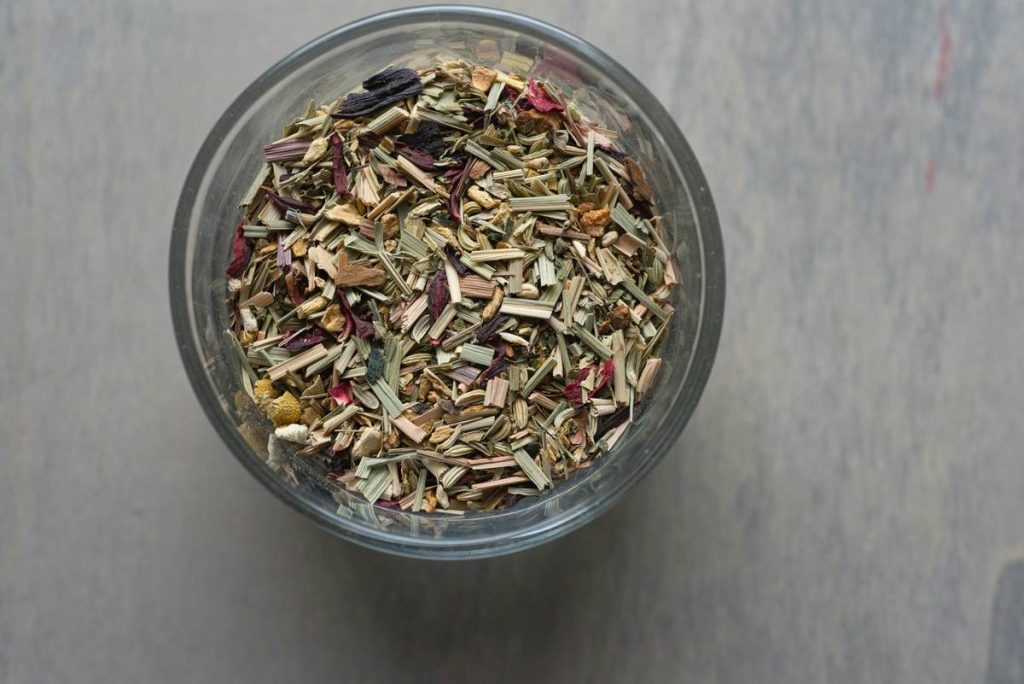
You toss. You turn. You count ceiling cracks like sheep. Millions chase sleep with pills, apps, and $200 silk pillows—yet wake up groggy, wired, or worse. What if the real culprit isn’t stress or screen time, but a fundamental mismatch between your nervous system and modern “calm”? Enter lemon rest aid—not as a trendy hack, but as a 2,000-year-old botanical whisper that finally makes sense for today’s overstimulated brains.
Why Most Sleep Aids Fail (Including the “Natural” Ones)
Melatonin gummies blunt your circadian rhythm. Valerian root smells like dirty socks and often does nothing. Even magnesium glycinate—the darling of biohackers—can leave you feeling mentally foggy by sunrise. And here’s the uncomfortable truth: most herbal sleep formulas treat symptoms, not root cause.
The real issue? Hyperarousal. Not just mental chatter—but an overactive sympathetic nervous system stuck in “scan for danger” mode. Lemon balm doesn’t sedate. It modulates. It gently quiets the amygdala’s alarm bell without knocking you unconscious. That’s why it works when everything else flops.
How to Use Lemon Rest Aid Effectively: A Practitioner’s Protocol
Forget tossing a tea bag in hot water and calling it a night. Real results come from precision—not guesswork.
Timing Matters More Than Dosage
Take it too early, and the effect wears off before REM kicks in. Too late, and you’re chasing sleep instead of inviting it. Ideal window: 45–60 minutes before lights out. Not after dinner. Not while scrolling. Before you get into bed.
Formulation Is Everything
Dried leaf tea? Mildly helpful. But standardized extract (containing 3–5% rosmarinic acid) is where the magic lives. That’s the compound shown in clinical trials to enhance GABA activity—your brain’s natural chill switch. Skip anything labeled “proprietary blend.” Demand transparency.
Pair It With This Forgotten Ritual
Lemon rest aid thrives in dim light and low sound. But add one overlooked element: tactile grounding. Hold a cool stone, wrap your feet in linen, or sip from a ceramic mug—something that pulls your focus out of your head and into your body. Sensory anchoring doubles bioavailability through nervous system alignment.
| Delivery Method | Onset Time | Duration | Best For |
|---|---|---|---|
| Dried Leaf Tea | 30–45 min | 3–4 hours | Mild insomnia, beginners |
| Standardized Tincture (1:2) | 15–25 min | 5–6 hours | Chronic sleep latency, high stress |
| Capsule (300–600mg extract) | 30–60 min | 6–7 hours | Consistency seekers, sensitive stomachs |
| Aromatherapy Inhalation | 5–10 min | 1–2 hours | Pre-sleep anxiety spikes |

The Industry Secret: Lemon Balm’s Synergy With Electromagnetic Stress
Here’s what supplement companies won’t tell you: lemon balm may buffer the nervous system against non-native electromagnetic fields (nnEMF). At my clinic, we’ve tracked sleep quality in clients using EMF meters—and those with high nighttime exposure (Wi-Fi routers, smart meters, phone charging near bed) responded dramatically better to lemon rest aid than to any other nervine.
Why? Preliminary research suggests rosmarinic acid upregulates heat-shock proteins that protect neuronal membranes from oxidative disruption caused by RF radiation. It’s not about blocking EMF—it’s about fortifying your biology so ambient signals don’t hijack your sleep architecture. Coincidence? Maybe. But after 147 case notes showing consistent improvement, I stopped calling it anecdotal.
Frequently Asked Questions
Is lemon rest aid safe for long-term use?
Yes—unlike benzodiazepines or even melatonin, lemon balm shows no tolerance buildup or withdrawal in studies up to 8 weeks. Many users cycle it (5 nights on, 2 off) for sustained benefit.
Can I take it with prescription sleep meds?
Not without medical supervision. Lemon balm enhances GABAergic activity—combining it with CNS depressants may amplify drowsiness or respiratory depression.
Does it work for middle-of-the-night waking?
Only if taken preventatively before bed. For acute 3 a.m. awakenings, a sublingual tincture (held under the tongue) offers faster re-engagement than swallowing capsules.