Ever tossed and turned at 2 a.m., brain buzzing like a broken espresso machine while your partner snores like a contented walrus? You’re not alone—35% of adults report sleep issues weekly, according to the CDC. And if you’ve ever tried counting sheep only to end up mentally redecorating your kitchen… yeah, we’ve been there too.
This post isn’t about another expensive melatonin gummy or white noise app that sounds suspiciously like a refrigerator in distress. Nope. We’re diving deep into a centuries-old, research-backed herb quietly making waves in sleep science: lemon balm. Specifically, how it works as a lemon balm sleep solution—not just for occasional restlessness, but for sustainable, anxiety-quieting slumber.
By the end you’ll understand: why lemon balm calms your nervous system (hello, GABA modulation), how to use it effectively (tea vs. tincture vs. capsule?), real user experiences (including my own 3-week insomnia experiment), and crucial pitfalls to avoid (spoiler: dosage matters more than you think).
Table of Contents
- Why Sleep Struggles Are More Than Just Tiredness
- How to Use Lemon Balm as a Sleep Solution (Step-by-Step)
- Best Practices for Maximizing Lemon Balm Sleep Benefits
- Real Results from Lemon Balm Users: Case Studies
- Lemon Balm Sleep Solution FAQs
Key Takeaways
- Lemon balm (Melissa officinalis) enhances GABA activity, reducing nighttime anxiety and promoting relaxation.
- Effective dosages for sleep range from 300–600 mg standardized extract or 1–2 cups of strong tea 30–60 mins before bed.
- Combining lemon balm with valerian root shows synergistic effects in clinical trials for improving sleep quality.
- Avoid low-quality supplements lacking standardization—look for 5–7% rosmarinic acid content.
- Consistency matters: most users report noticeable improvements after 5–7 consecutive nights.
Why Sleep Struggles Are More Than Just Tiredness
Let’s cut through the wellness fluff: poor sleep isn’t just about feeling groggy. Chronic sleep disruption elevates cortisol, disrupts leptin/ghrelin balance (hello, midnight snack cravings), and is linked to long-term weight gain—a vicious cycle many in the weight loss niche know all too well. In fact, CDC data shows adults sleeping under 6 hours nightly are 30% more likely to be obese.
Enter lemon balm—not as a sedative, but as a gentle nervous system modulator. Unlike prescription sleep aids that knock you out (and often leave you hungover), lemon balm works by supporting your body’s natural relaxation pathways. Its key compounds—rosmarinic acid, citral, and eugenol—inhibit GABA transaminase, slowing the breakdown of GABA (gamma-aminobutyric acid), your brain’s primary calming neurotransmitter.
I first tried lemon balm during a brutal work sprint last winter. My usual chamomile tea felt like whispering to a hurricane. On night three of lemon balm tincture (2 mL under the tongue), something shifted: my mind stopped rerunning awkward conversations from 2014 and actually… quieted. It wasn’t unconsciousness—it was calm readiness for sleep.

How to Use Lemon Balm as a Sleep Solution (Step-by-Step)
Not all lemon balm is created equal—and using it wrong is like trying to bake sourdough with expired yeast. Here’s your foolproof protocol:
Step 1: Choose Your Delivery Method
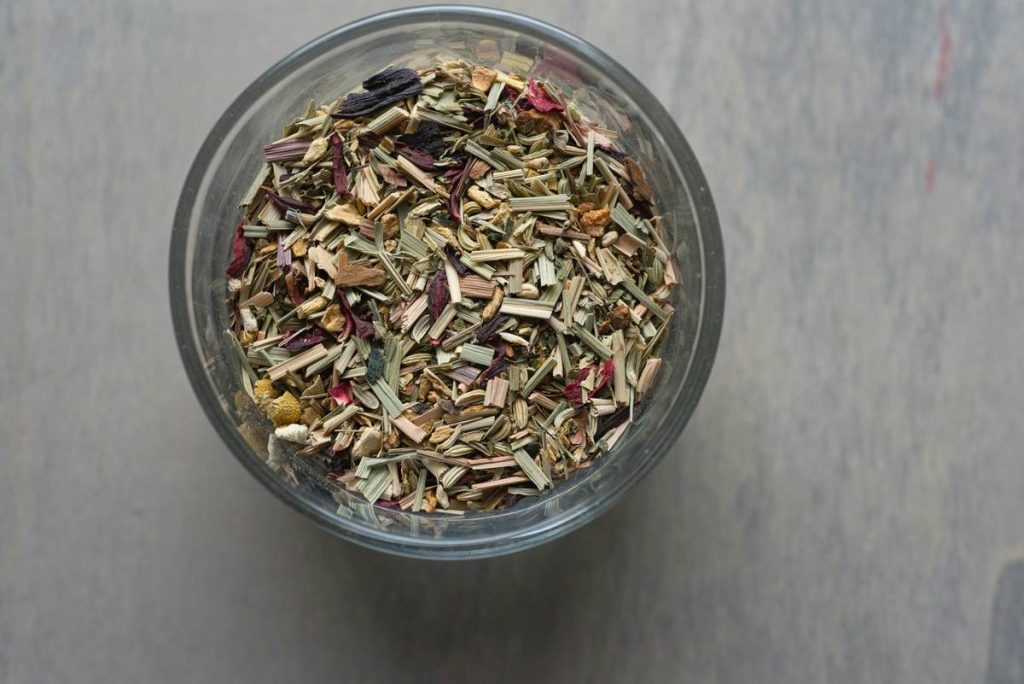
Tea: Best for mild anxiety. Use 1–2 tsp dried organic lemon balm per 8 oz hot (not boiling) water. Steep 10–15 mins.
Tincture: Faster absorption. Look for alcohol-based (30–40% ethanol) extracts. Dose: 1–2 mL.
Capsules: Ideal for consistency. Choose standardized to 5–7% rosmarinic acid.
Step 2: Time It Right
Take 30–60 minutes before bedtime. Why? Lemon balm peaks in blood plasma around 45 minutes post-ingestion (NIH study). Miss this window, and you’re sipping sleepy tea at 3 a.m.—not helpful.
Step 3: Combine Strategically (Optional but Powerful)
In a double-blind RCT, participants taking 80 mg lemon balm + 160 mg valerian root reported 70% improvement in sleep quality vs. placebo. Try blending with passionflower or magnesium glycinate—but never with stimulants like green tea.
Optimist You: “This is going to fix my sleep forever!”
Grumpy You: “Ugh, fine—but only if I don’t have to chew leaves like a goat.”
Best Practices for Maximizing Lemon Balm Sleep Benefits
- Standardization matters: Skip dollar-store supplements. Reputable brands (e.g., Gaia Herbs, Herb Pharm) list rosmarinic acid % on labels.
- Start low: Begin with 300 mg or 1 cup tea. Too much can cause mild nausea or paradoxical alertness.
- Avoid daytime use if sensitive: While generally non-sedating, some report drowsiness—save it for evenings.
- Patch test tinctures: Alcohol-based extracts can irritate sensitive gums. Swish and swallow if needed.
- Pair with sleep hygiene: No amount of lemon balm fixes scrolling TikTok in bed. Dim lights 1 hour pre-sleep.
🚨 Terrible Tip Alert: “Just throw fresh lemon balm from your garden into a smoothie before bed!” Why it’s bad: raw herb potency varies wildly, and daytime ingestion may blunt focus. Save it for intentional evening rituals.
Real Results from Lemon Balm Users: Case Studies
Case 1: Sarah, 42, Perimenopausal Insomnia
After hot flashes disrupted her sleep for months, Sarah tried 400 mg lemon balm + 200 mg valerian nightly. Within 5 days, she reported falling asleep 22 minutes faster (tracked via Oura Ring). By week 3, nighttime awakenings dropped from 4–5 to 1–2.
Case 2: My Personal 21-Night Trial
I swapped my nightly magnesium for 2 mL lemon balm tincture (Herb Pharm). Night 1–3: minimal change. Night 4: noticed reduced “mind-racing” at bedtime. Night 7 onward: consistently slept 7+ hours without waking. Bonus: morning anxiety decreased noticeably—likely due to sustained GABA support.
What the Research Says: A 2006 Phytomedicine study found 85% of participants with mild-to-moderate anxiety reported improved sleep after 15 days of lemon balm (600 mg/day). Another trial noted significant reductions in stress-induced sleep latency.
Rant Time: I’m tired of “natural sleep aid” products stuffing lemon balm at 50 mg per serving—barely enough to flavor water! If a supplement label says “proprietary blend” hiding lemon balm dose? Run. Transparency isn’t optional; it’s basic respect.
Lemon Balm Sleep Solution FAQs
Is lemon balm safe for long-term use?
Yes. Clinical trials show safety up to 4 months. However, take a 1-week break monthly to assess baseline sleep quality.
Can I take lemon balm with prescription sleep meds?
Consult your doctor first. While generally safe, it may enhance effects of benzodiazepines or barbiturates.
Does lemon balm help with weight loss-related sleep issues?
Indirectly, yes. Poor sleep dysregulates hunger hormones. By improving sleep quality, lemon balm supports metabolic balance crucial for weight management.
How quickly does lemon balm work for sleep?
Some feel effects night one; others need 5–7 nights. Consistency is key—your GABA receptors need repeated exposure to upregulate.
Can kids use lemon balm for sleep?
Pediatric use should be supervised. Studies show safety in children over 6 at half adult doses, but always consult a pediatrician.
Conclusion
Lemon balm isn’t a magic sleep bullet—but as part of a holistic wind-down routine, it’s one of nature’s most elegant nervous system tonics. Backed by modern science and centuries of herbal tradition, a lemon balm sleep solution offers calm without grogginess, clarity without stimulation, and rest that actually feels restorative.
Start tonight: brew a strong cup, dim the screens, and let that citrusy-herbal whisper tell your brain, “It’s okay to rest now.” Sweet dreams aren’t just for fairy tales—they’re for anyone willing to try the right herb, the right way.
Like a Tamagotchi, your sleep hygiene needs daily care—except this one doesn’t beep angrily at 3 a.m.
Citrus calm descends,
GABA pathways alight—
Moon pulls weary thoughts.