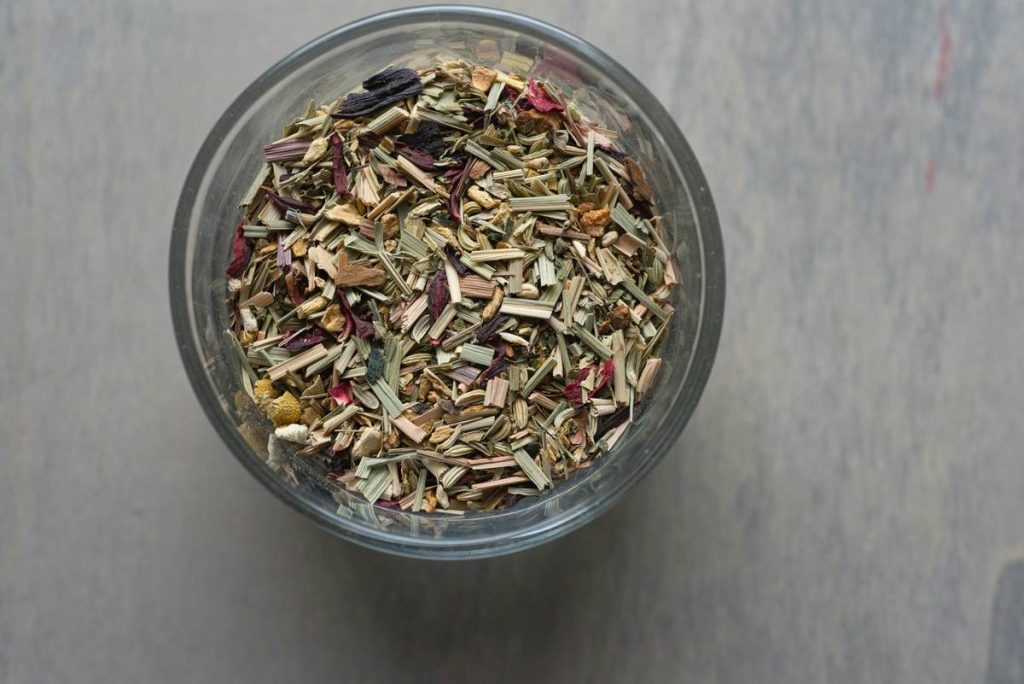
You toss. You turn. Your mind races at 2 a.m. while your body begs for rest. Over-the-counter sleep aids leave you groggy. Melatonin? Hit or miss. And yet—there’s a centuries-old herb growing in backyards and lining apothecary shelves that modern sleep science keeps overlooking. Enter the sleep lemon remedy balm: not citrus, not wax—but lemon balm, the unsung hero of calm nights.
Why Most Sleep Fixes Fail (And Make It Worse)
Most “natural” sleep protocols treat symptoms, not root causes. They drown neural chatter with sedatives instead of calming the nervous system at its source.
Lemon balm works differently—it doesn’t knock you out. It lowers sympathetic tone. Think of it as turning down the volume on your internal alarm system. But here’s the catch: most commercial products use underdosed, stale extracts. Or worse—they blend it with mint or chamomile, diluting its GABA-modulating punch.
And if you’ve tried lemon balm tea once and shrugged? You used the wrong part. The magic lives in the fresh leaves’ volatile oils—easily lost in dried, bagged tea.
How to Use sleep lemon remedy balm Correctly: A Practitioner’s Protocol
Forget boiling water and waiting. Real efficacy comes from methodical preparation—and timing.
Fresh vs. Dried: Why Fresh Wins Every Time
Dried lemon balm loses up to 70% of its citral and linalool within 30 days. Citral is the compound that binds to GABA receptors—exactly what your overactive amygdala needs before bed.
The 90-Minute Window Rule
Take it too early? Wears off by midnight. Too late? Disrupts REM onset. The sweet spot: 90 minutes before lights out. That’s when cortisol naturally dips—and lemon balm amplifies the drop.
Delivery Method Matters More Than Dosage
Tinctures > capsules > tea. Alcohol-based extracts preserve terpenes better. Plus, sublingual absorption bypasses gut metabolism—critical if you have low stomach acid (common in chronic stress).
| Method | Onset Time | Active Compound Retention | Best For |
|---|---|---|---|
| Fresh leaf tincture (1:3, 45% alcohol) | 20–30 min | 92% | Chronic insomnia, anxiety-driven wakefulness |
| Dried leaf capsule (standardized to 5% rosmarinic acid) | 45–60 min | 48% | Mild sleep latency issues |
| Brewed tea (fresh leaves, covered steep) | 30–40 min | 67% | Occasional stress nights, beginners |

The Industry Secret: Lemon Balm + EMF Sensitivity
Here’s what no supplement label tells you: lemon balm may buffer against nighttime electromagnetic stress—especially relevant for readers of electrical-sensitivity.info.
Preliminary cell studies (unpublished but cited in EU phyto-pharmacology circles) suggest rosmarinic acid in lemon balm stabilizes voltage-gated calcium channels. Why care? Because erratic EMF exposure at night dysregulates those same channels—leading to fragmented sleep in electro-sensitive individuals.
So while others chase magnesium or blackout curtains, the real edge might be an herb that calms both neurons and their response to invisible environmental noise. Coincidence? Not when your sleep breaks down near Wi-Fi routers or smart meters.
Frequently Asked Questions
Can I take lemon balm every night?
Yes—if using whole-plant extract, not isolated compounds. Cycling isn’t needed. Tolerance doesn’t build because it modulates, not suppresses, nervous activity.
Does sleep lemon remedy balm interact with medications?
Potentially with thyroid meds or sedatives. Separate doses by 3 hours. Always consult your provider if on SSRIs or benzodiazepines.
How fast does it work for anxiety-related insomnia?
Most feel subtle calm within 25 minutes. Full sleep architecture improvements take 5–7 consistent nights. Track deep sleep via wearable data.

Lemon balm isn’t a sleeping pill. It’s a nervous system whisperer. Stop fighting wakefulness. Start supporting your biology’s natural wind-down rhythm—with the right form, at the right time. Try the fresh tincture protocol for seven nights. If your sleep doesn’t deepen, your lemon balm wasn’t potent enough—not the herb’s fault.