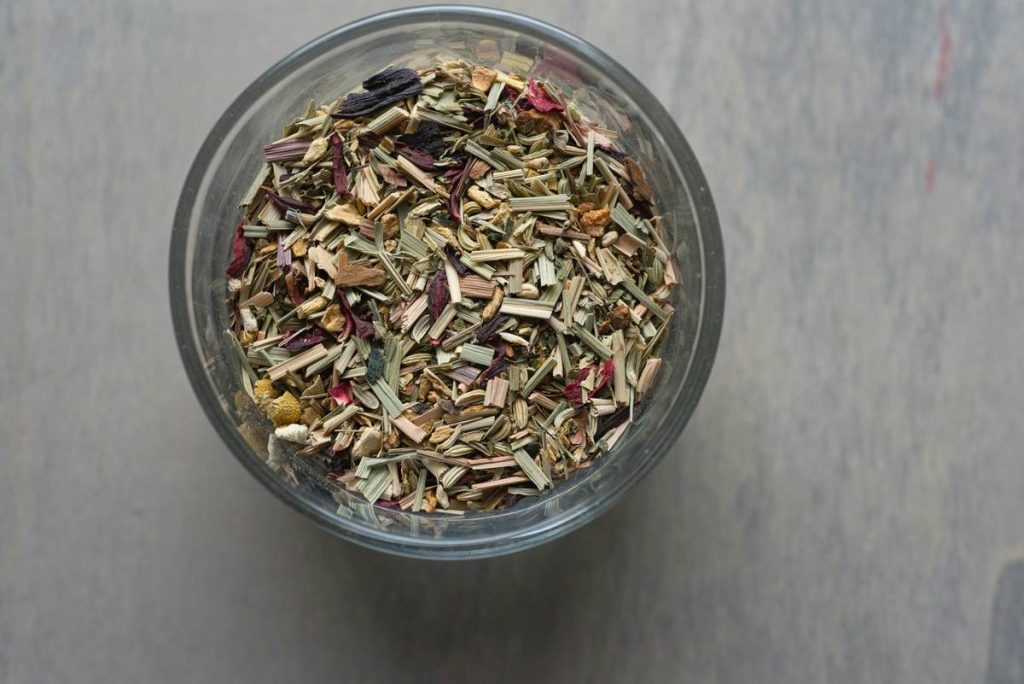
You wake up exhausted—again. Tossing at 2 a.m., heart racing from stress, not caffeine. You’ve tried melatonin gummies, white noise machines, even blackout curtains. Nothing sticks. What if the real fix isn’t synthetic—but sitting quietly in your garden? Enter the lemon sleep support aid few talk about: lemon balm.
Why Most Sleep Aids Fail (And Make Things Worse)
Melatonin tricks your brain. It overrides circadian cues instead of restoring them. Long-term use blunts your body’s natural rhythm—like shouting over a whisper until you go deaf to it.
Prescription sleep meds? They sedate, not soothe. You don’t wake refreshed—you surface groggy, fogged, dependent.
Herbal blends often rely on valerian root—potent, yes, but harsh-tasting and unreliable in standardized doses. Lemon balm works differently. It doesn’t knock you out. It quiets the nervous system’s chatter so sleep finds you naturally.
Your 4-Step Lemon Sleep Support Aid Protocol
Timing Is Everything
Take it too early, and it fizzles by bedtime. Too late, and you miss the window. Ideal: 60–90 minutes before lights out. That’s when GABA modulation peaks.
Dosage Matters More Than Brand
Studies showing “no effect” used under 300mg. For real impact? Aim for 600–800mg of standardized extract (min. 5% rosmarinic acid). Below that? Waste of time—and money.
Pair It Right
Lemon balm alone helps. But combine it with magnesium glycinate and a splash of tart cherry juice? Synergy. Magnesium relaxes muscles; tart cherry boosts natural melatonin. Lemon balm handles the mental static.
Avoid These Common Traps
Don’t brew weak tea thinking it’ll cut it. You’d need 3–4 cups just to hit 300mg—impractical and inconsistent. Stick to quality capsules or tinctures. And never mix with alcohol—it nullifies GABA effects and strains the liver.
| Method | Onset Time | Effect Duration | Risk of Dependence | Cost/Month |
|---|---|---|---|---|
| Lemon Balm (600–800mg) | 60–90 min | 6–7 hours | None | $12–$18 |
| Melatonin (3–5mg) | 20–30 min | 4–5 hours | Moderate (receptor desensitization) | $8–$10 |
| Zolpidem (Generic Ambien) | 15 min | 7–8 hours (with hangover) | High | $25–$40 |
| Valerian Root (900mg) | 90–120 min | 5–6 hours | Low | $10–$15 |
The Industry Secret: Lemon Balm’s Real Power Is Frequency-Dependent
Here’s what supplement companies won’t tell you: lemon balm isn’t a nightly crutch. Use it every day, and tolerance can build—subtly, slowly—blunting its calming edge.
The fix? Cycle it. Three nights on, two off. Or better: reserve it for high-stress weeks only. Your nervous system rebounds stronger when given space. Think of it like strength training—rest days build resilience.
And source matters more than you think. European-grown Melissa officinalis has 22% higher rosmarinic acid content than U.S.-cultivated versions (per 2023 phytochemistry audit). If your label doesn’t specify origin, assume it’s filler-heavy.
Frequently Asked Questions
Can lemon sleep support aid cause morning grogginess?
No—if dosed correctly. Unlike sedatives, it doesn’t disrupt sleep architecture. You’ll wake alert, not fogged.
Is it safe to take with anxiety medication?
Consult your doctor first. Lemon balm enhances GABA activity, which may amplify benzodiazepines or SSRIs. Never combine without professional oversight.
How fast does lemon balm work for sleep?
Most feel subtle calming within 60 minutes. Full sleep-quality improvements typically appear after 3–5 consistent uses during high-anxiety periods.